
Diagnosis of a rare disease in adulthood: Maíra’s report
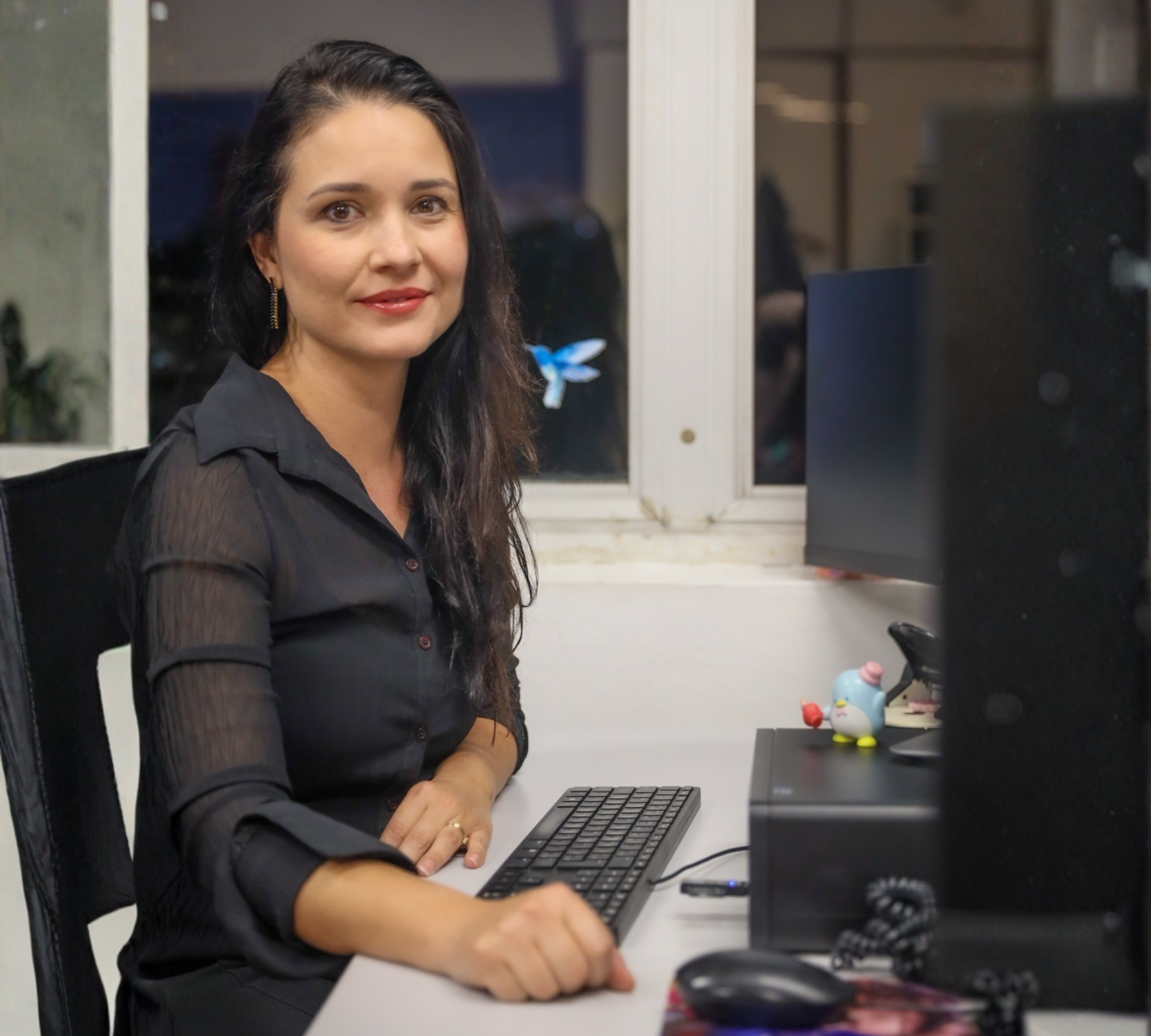
By Maíra Kiefer, journalist
At 44 years, seven months and 17 days, I lost consciousness for more than an hour after two tonic-clonic seizures in a row. They started right after the end of a work meeting. The scene, which I insistently recreate time and again when I rethink the diagnosis and its consequences, left its mark on me, my family and those who helped me on May 6, preventing the worst from happening.
No signal in the days leading up to the crisis. Only the colleagues' surprise when they saw that the most verbose of the group was silent during the entire conversation, letting out some out-of-context laughs. This was the first sign of a hemorrhagic stroke.
CAVERNOMA - An hour after the episode, I woke up in the emergency room, next to my husband and surrounded by doctors and nurses. I'm not sure if they told me about the seizure at that moment or if they mentioned it as fainting, but the doubts about what triggered everything would be resolved four hours later, after the tomography and resonance. With a strange name and until then unknown to me, the cavernoma, located in the left front part of my brain, responded to everything that happened that Tuesday in 2025. Considered a rare disease, the cavernoma is described as a vascular malformation that produces abnormal vessels in the brain. The abnormality has a prevalence of 1 to 5 cases per 10 thousand people.
SURGERY - No after-effects, just tiredness and some brief forgetfulness. Until he decided to have the operation recommended by the neurosurgeon, he should take an anticonvulsant. During the eight days I spent in the hospital, two were used: phenytoin, to which I didn't respond well, with a kind of resonance in the body, and levetiracetam, which I still use today. I evaluated and reevaluated the pros and cons of the operation many times. I consulted another doctor, with a different, more conservative understanding, who prefers to observe the evolution of the case. New resonance: reduction of one centimeter in one of the axes of the lesion and disappearance of the edema.
FEARS - Good news does not completely dispel fears. I stopped driving to protect my children, who were riding with me, and other drivers and pedestrians. Even without seizures, another episode of rupture of a capillary vessel that makes up the cavernous angioma may occur.
The injury could have been with me forever. There were no indications: no headache, no fainting. There are days and days. Some as before, and others with a certain fear. I chose to do two weekly therapy sessions, without medication, to alleviate the anxiety and sadness, which were a little heightened by the medication for the seizures. Because I wanted to know more about the disease, I signed up on the Aliança Cavernoma website. I heard about Casa dos Raros, Casa Hunter and Conexões Raras. I discovered that my knowledge about the countless diseases hidden by statistics was scarce.
I believe that, soon, both mine and other illnesses will no longer be incurable. Interestingly, the wordraras, if inverted, results in sarar. And it is this verb that I cling to.