
Getting older: an additional challenge for those with a rare disease
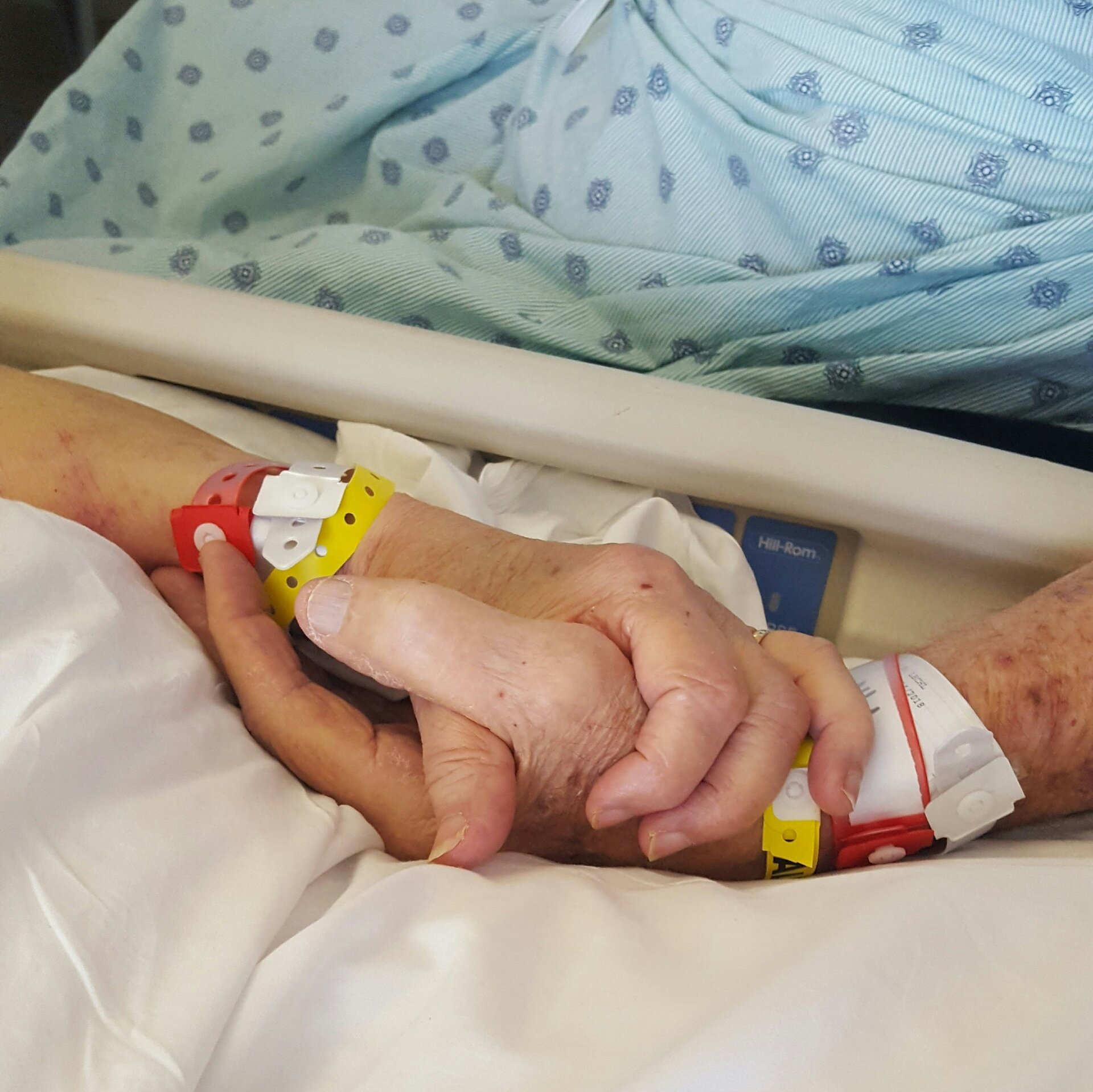
For decades, common sense and medicine itself associated rare diseases almost exclusively with children. However, technological advances and early interventions that occurred mainly after the 90s radically changed this scenario. Today, people who would previously have an early outcome reach maturity and old age, bringing new challenges to a health system that is still poorly prepared for the rare elderly patient.
INTERVENTIONS - According to Dr. Emílio Hideyuki Moriguchi, doctor and researcher at UFRGS and Japanese institutions, survival is the result of more agile and effective diagnoses. He explains that many who would die prematurely manage to age thanks to interventions that change the natural course of the disease. However, this victory for science reveals structural gaps.
One of the most critical obstacles lies in prioritizing resources. The expert points out that the public system often privileges young people when judging the merit of high-cost treatments. "The main clinical challenges faced by elderly patients living with rare diseases in our country is the lack of support for treatment for the elderly at the expense of young people" says Moriguchi.
POLYPATHOLOGY - Clinical complexity increases over the years. The rare elderly rarely deals with just one condition. The phenomenon of polypathology arises where common diseases of age are added to genetic or rare conditions requiring the use of multiple drugs. This polypharmacy increases the risk of dangerous drug interactions, making specific management of the main disease difficult.
SUS - The Brazilian health system, despite being a model of universality, faces difficulties in identifying and referring these cases. Moriguchi highlights that professionals such as clinicians and geriatricians often lack specific training. This creates the real risk of the patient becoming an orphan of the system without fully fitting into any traditional specialty.
In the emotional aspect, rare aging is marked by loneliness and a lack of social awareness. "These are elderly people who suffer from situations that lead to a reduction in functionality and quality of life as they age, who require specific care and treatments that, in most cases, elderly people end up not having access to", laments the doctor.
To transform this reality, public education and awareness policies are urgent. Training health professionals for correct diagnosis is the first step to ensuring that the longevity achieved by technology is accompanied by dignity and adequate clinical support.